
Using the BioDtex UV Lamp to Improve Cleaning Standards in a Cheese Factory


latest Case Studies
BioDtex UV Biofilm Detection for Microbial Risk Reduction in a Fresh Produce Manufacturing Unit in the UK
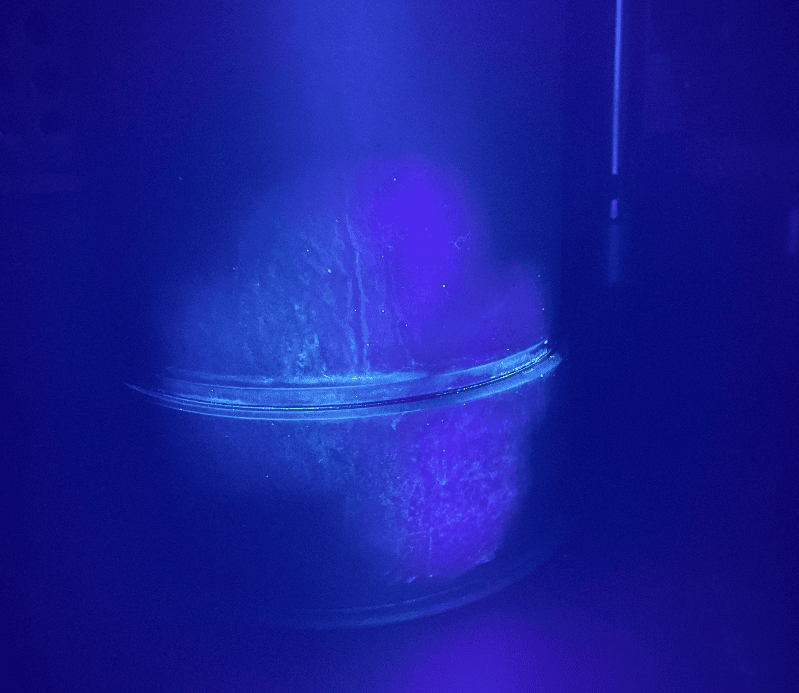
1.Background Fresh produce manufacturers face constant pressure to maintain hygienic conditions due to the high risk of microbial contamination. Contamination can arise from biofilm buildup on food contact surfaces and equipment, leading to potential food safety failures, product recalls, or consumer illness. A mid-sized fresh produce processor handling leafy greens and pre-cut vegetables, sought to enhance its hygiene verification procedures, targeting difficult-to-detect biofilm formations and reducing the risk of environmental indicator organisms (Enterobacteriaceae, coliforms, Listeria & E. coli). 2. Challenge Traditional visual inspections and ATP swabbing methods failed to consistently detect persistent contamination. Routine cleaning and sanitation protocols did not fully eliminate micro loading risk or biofilm-forming bacteria. Positive environmental results occurred intermittently, triggering expensive line shutdowns and retesting 3. Solution: Integration of BioDtex UV Biofilm Detection Unit In Q1 of the year, we introduced the BioDtex Lamp, a handheld biofilm detection tool using UV-fluorescence technology to visualize biofilm residues invisible to the naked eye. The unit was deployed for: Routine sanitation validation & verification. Targeted investigative swabbing. Enhanced positive release (EPR) verification before line release post hygiene. 4. Implementation Strategy A. Baseline Mapping and Training BioDtex units were used during post-cleaning inspections over a 2-week baseline period to identify…
