
BioDtex in healthcare: advanced pathogen detection for infection control across hospitals, wards, and surgical environments.
In the healthcare setting, hygiene is more than just a box to be ticked; it is an actual factor that influences patient outcomes. Surfaces in the healthcare setting can remain contaminated with bacteria even after they have been cleaned, putting patients at risk of contracting infections in the healthcare setting.
The BioDtex UV lamp provides infection control professionals with a rapid, visual means of identifying pathogens directly at the point of care. By multi-wavelength UVA fluorescence, microbial residues and biofilm deposits emit specific colour signatures that can be identified by the cleaning staff to take action before infections occur.
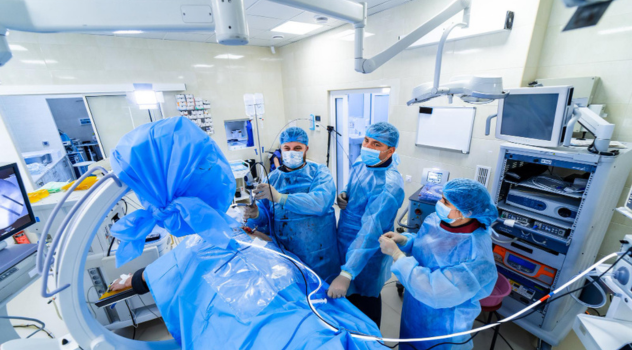
Risks from Biofilms in Healthcare: A Critical Concern
- What they are: Self-protecting microbial communities embedded within an extracellular matrix, rendering them highly resistant to standard hospital disinfectants, antibiotics, and conventional surface cleaning procedures.
- Where they form: Surgical instruments, catheters, ventilators, and implantable devices are primary accumulation sites. High-touch surfaces, including bed rails, infusion pumps, and door handles, present persistent risks from biofilms. Ward walls, floor drains, and clinical sinks are equally susceptible.
- Why they matter: Biofilms serve as sustained reservoirs of bacterial contamination, continuously seeding pathogens, including Staphylococcus aureus, Pseudomonas aeruginosa, and Klebsiella species into clinical environments. Their resistance to chemical intervention makes proactive detection and adherence to rigorous hygiene standards an operational necessity rather than a periodic exercise.
Strengthen your infection control programme with real-time biofilm detection.
How BioDtex Supports Healthcare Hygiene
Microbiological culture testing and ATP bioluminescence remain established tools within infection control programmes. BioDtex introduces a complementary capability: real-time visual bacterial contamination identification at the moment of inspection. Green and blue fluorescence signals microbial residues or organic deposits on surgical instruments and clinical contact surfaces. Red and orange fluorescence indicates fungal or mixed microbial presence in drainage areas or damp clinical zones. This colour-differentiated approach to pathogen detection enables infection prevention teams to direct remediation efforts with precision and confidence.
Key Applications
- Operation Theatre Cleaning: utilise the UV bacteria detection lamp to detect biofilm residues on surgical instruments, endoscopes, and operating theatre surfaces.
- Hygiene of wards: periodically inspect bed rails, infusion stands, door handles, and other high-touch surfaces in clinical areas where biofilm risks are generally greater.
- Implants and catheters: conduct a targeted inspection of device surfaces to detect bacterial contamination before clinical consequences develop.
- Environmental monitoring: identify concealed microbial reservoirs on walls, drainage infrastructure, and clinical floor areas as part of structured hygiene standards compliance.
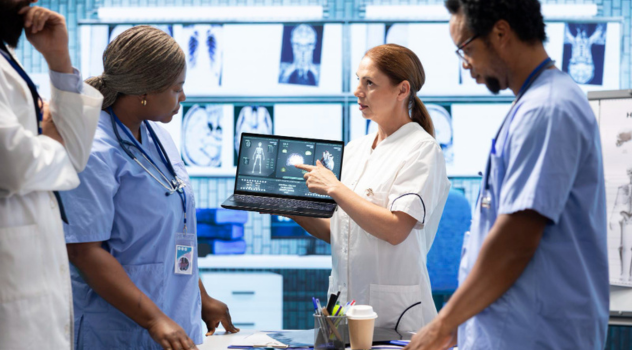
Regulatory and Standards Alignment
Healthcare regulatory bodies and accreditation frameworks, including CQC, HTM 01-01, and WHO infection prevention guidelines, place explicit obligations on facilities to maintain demonstrable hygiene in healthcare environments.
BioDtex supports compliance by delivering immediate visual evidence of bacterial contamination ahead of laboratory confirmation, generating photographic documentation suitable for infection control audits, and strengthening operating theatre cleaning validation records.
The early visual checks allow corrections to be made in the same cleaning cycle, which greatly reduces the time patients are exposed to biofilm.
Benefits for Healthcare Facilities
- Faster detection: Identify bacterial contamination hotspots immediately, without dependency on 24 to 72-hour culture incubation periods.
- Stronger infection control: Systematic pathogen detection intercepts biofilm development before it contributes to healthcare-associated infection incidents.
- Audit-ready evidence: Images provide evidence of hygiene standards for reporting, CQC inspections, and infection control governance.
- Targeted cleaning: Colour coding indicates where theatre cleaning and ward hygiene personnel need to concentrate their efforts.
- Training tool: Employees will learn to recognise clean and dirty surfaces. This will help them understand the importance of healthcare hygiene.
Healthcare environments carry a profound responsibility to every patient who passes through them. The BioDtex UV bacteria detection lamp is not a substitute for conventional laboratory procedures. It is an addition to these procedures, as it provides real-time visual data that conventional tests cannot. It can be used as part of infection control procedures to systematically address biofilm risk, maintain high levels of hygiene, and support the hygiene standard in healthcare that protects patients.
See how BioDtex supports hygiene standards across hospitals and clinical environments.
FAQs
The BioDtex lamp detects bacterial contamination of clinical surfaces in real-time, assisting infection prevention teams in detecting and resolving areas of concern prior to culture results.
The risks from biofilms include sources of pathogens that persist and are resistant to disinfection, which cause infections that people acquire in healthcare, antibiotic use, and hygiene failures in healthcare.
Yes. It indicates contamination immediately, which helps with hygiene in healthcare compliance, infection control audits, and the documentation required by recognised healthcare hygiene standards.
Traditionally, checks have been carried out using planned swabbing or ATP tests, and the results are not immediate. The BioDtex lamp delivers instant, colour-coded bacterial contamination visibility, enabling same-cycle corrective action during routine operating theatre cleaning and ward rounds.
It enables thorough operation theatre cleaning validation by rendering residual biofilm and bacterial contamination immediately visible on instruments and surfaces, providing photographic audit evidence that supports hygiene standards compliance records.
